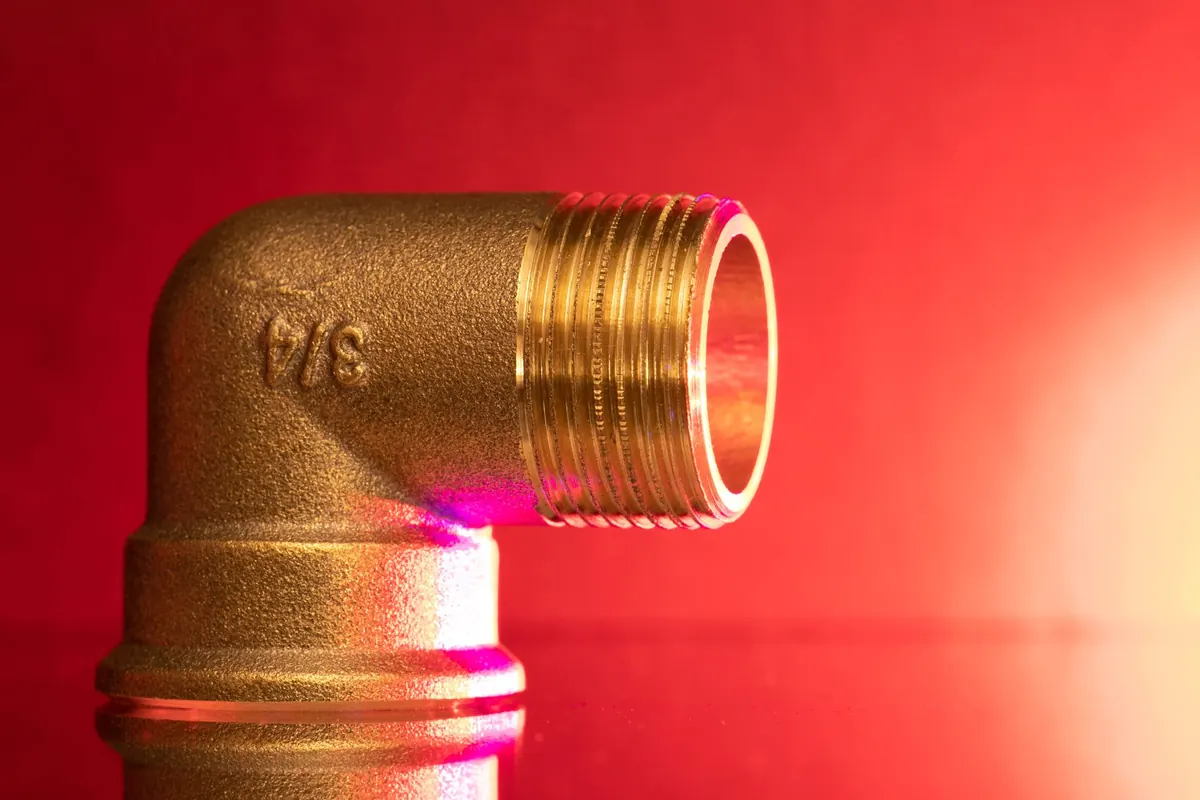
Walk into any British home and copper is already there, usually out of sight. It is in the pipe behind the kitchen units, the cable under the floorboards, the flashing around the chimney and the gutter above the front door. For builders, renovators and merchants, that makes copper one of the few materials that touches almost every trade on a job — and one of the easiest to under-order. This is a plain guide to where it goes, roughly how much you might need, and what to watch out for.
Why copper still earns its place
Copper does three things well: it carries heat, it carries current, and it bends without complaining. It also resists corrosion in most domestic water supplies, solders reliably, and holds its value at the scrap yard. Plastic pipe has taken a large share of the plumbing market because it is quick and cheap to install, and plastic is standard for soil and drainage. But copper still dominates exposed hot and cold runs, gas pipework inside the home, earthing, and roofing details. It is also a material surveyors, insurers and buyers recognise immediately — which matters when a property changes hands.
Pipework: where most of the copper goes
Domestic copper tube in the UK comes in a handful of sizes you will see every week: 10mm microbore, 15mm, 22mm and 28mm. Half-hard tube in straight lengths covers most above-ground work; soft annealed coil is what you want when you are pulling pipe under a floor or bending around awkward joists. Check the label for EN 1057 and the temper, and buy from a merchant who can tell you what they are selling.
Typical runs in a house
- Incoming mains cold feed, stopcock and internal stop valve tails
- Hot and cold distribution to kitchen, bathrooms, cloakroom and utility
- Boiler flow and return, radiator drops and towel rails
- Gas pipework from meter to boiler, hob and fire — installed only by a Gas Safe registered engineer
- Cylinder coils, heat pump connections and solar thermal circuits
Compression and press-fit fittings are fine for water. Soldered capillary joints remain the standard for gas and for a lot of visible work. Clip and support runs properly, and allow for expansion on long hot pipes — a straight run of 22mm that is clipped tight at both ends will find a way to make noise.
Wiring, earthing and the joints you never see
Almost every cable in a British home has copper conductors. Twin and earth in 1.0mm² or 1.5mm² for lighting, 2.5mm² for socket circuits, and heavier sizes for showers, cookers and sub-mains. Earthing and main protective bonding conductors to gas and water services are copper too — often 10mm² in domestic installations, though the correct size depends on the earthing arrangement and the designer's calculations. Copper's ductility matters here: cable gets dragged through joists and conduit, then terminated, and the connection has to stay tight for decades.
One thing worth knowing if you work on older properties: some homes wired in the 1960s and 1970s have aluminium conductors rather than copper. That is not automatically unsafe, but it behaves differently at terminations and mixing the two needs an electrician who understands it. Notifiable electrical work in England and Wales must go through building control, and any gas work must be done by a Gas Safe registered engineer. If you are a homeowner reading this, ask for the certificates before you pay.
Roofing, guttering and rainwater goods
Copper roofing is usually specified as standing seam or batten roll, in sheet thicknesses of roughly 0.6mm to 0.8mm depending on the detail and exposure. New copper starts bright, dulls to brown, and eventually develops the green patina most people picture — a process measured in years, not months. You will also find copper in flashings, valleys, chimney aprons, dormer cheeks, and in gutters, downpipes and hoppers on older or higher-end properties.
Two practical points. First, fixings: use copper or stainless steel, not a cheaper metal that will corrode and stain. Second, dissimilar metals. Water running off copper will attack zinc, galvanised steel and aluminium, so keep those materials apart with suitable membranes and gutters, and never let a copper roof drain onto a galvanised outbuilding. Copper costs more up front than most alternatives and lasts a very long time, which is why it keeps appearing on listed buildings and on new builds where the owner plans to stay.
Working out how much you need
No two houses are the same, so treat any rule-of-thumb figure with suspicion. A method beats a guess:
- Measure from drawings, or walk the job with the plumber and the electrician before first fix.
- Group pipework by size and total the linear metres for each — 15mm cold, 22mm primary, and so on.
- Count the joints. Every tee, elbow and reducer is a fitting, and fittings are where budgets quietly disappear.
- Add an allowance for waste, typically a few per cent on pipe and a sensible margin on fittings.
- Compare against the last similar job you priced, and note where it differed.
Copper tube comes in straight lengths and in coils, while cable comes in drums of varying lengths. Ordering full lengths and full drums usually works out cheaper and means fewer joints in the finished installation.
Storing it, handling it, keeping it on site
Copper is a theft target. Drums of cable and coils of tube left in an open compound or a half-finished house are an invitation, so lock them away, keep them out of sight, and mark your stock. Keep offcuts off the ground and away from steel, which saves scratching and avoids problems later. Protect tube from contact with cement-based materials and aggressive ground, and cap open ends before screwing the floor down. Scrap has real value, so return what you can and weigh in the rest — copper left lying around a site is money left lying around a site.
Getting copper right on your next job
Specify the temper you need, not whatever is on the shelf. Buy marked tube from a merchant who can confirm its standard, and keep pipe, fittings and cable for the same system together so nobody mixes grades. Brief the trades on clip spacing and protection before first fix rather than after the plasterer has been in. For gas, electrical and any work that will be inspected, use registered professionals and keep the paperwork. Do those things and copper stops being a line on the quote that keeps growing, and goes back to being what it is: a dependable material that quietly holds a house together.
Photo: Nic Wood / Pexels