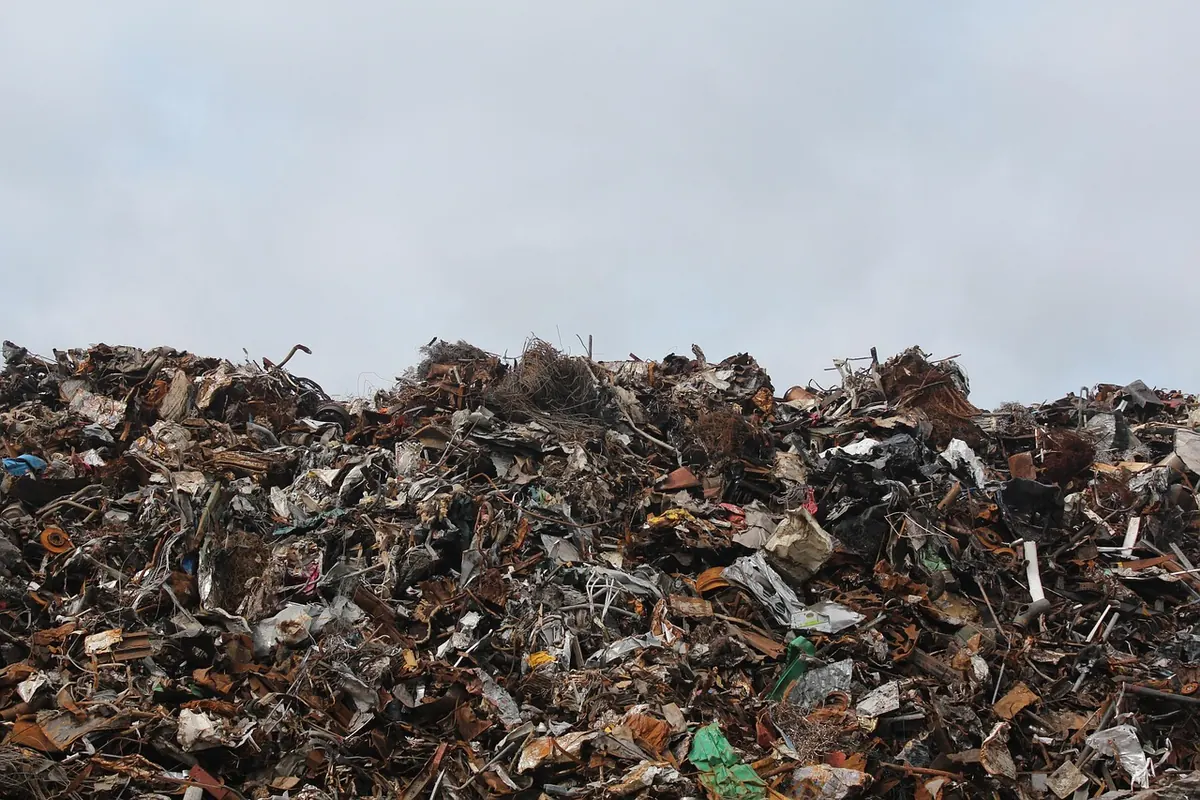
Copper rarely disappears. It gets bent, buried, stripped and forgotten, but it almost always comes back. The cylinder pulled out of a 1970s semi, the offcut bin beside a contractor's van, the miles of cable coming out of a decommissioned office block — they all feed the same chain. Most of that metal is eventually melted and made into something else, and knowing how the chain works helps you get paid properly for what you're handing over.
Where scrap copper comes from
Construction and demolition is the biggest single source in the UK. Think heating and domestic water pipework, electrical cable, roofing, heat exchangers and the copper alloy fittings that come with them. Refurbishment work is particularly productive: a single kitchen or bathroom rip-out can produce more copper than a household accumulates in a decade.
Manufacturing contributes a steady stream too — offcuts and pressings from cable makers and busbar fabricators, plus machining swarf, which is lower grade because it carries oil and coolant. End-of-life products matter as well: motors, transformers, armatures and the wiring inside appliances collected through electrical waste routes. Utility companies add significant volumes when they upgrade or replace cable networks.
And then there is theft, which sits alongside the legitimate trade rather than inside it. Stolen cable, pipe and roofing damage the industry's reputation and have driven much of the tightening in dealer regulation over the past decade.
Sorting and grading: where the value is decided
Copper is not one material on the scrap market. It is a family of grades, and the gap in value between a clean pipe and a soldered, painted one can be wide enough to change the economics of a job. Yards assess material visually and by experience, and most work to broadly similar trade descriptions:
- Bright bare wire — clean, uncoated, unalloyed copper wire with no tinning or solder. The top of the tree.
- No.1 copper — heavy, clean copper such as pipe with fittings and solder removed, free of paint, corrosion and attachments.
- No.2 copper — soldered, painted, oxidised or thin-wall material. Useful, but priced accordingly.
- Copper tube — often graded separately when it is clean and dry.
- Insulated cable — valued on copper content and insulation thickness. Heavy armoured mains cable and thin flex are very different propositions.
- Brass and gunmetal — a different alloy entirely. Mixing taps, valves and fittings in with copper is a common and expensive mistake.
- Copper-bearing scrap — motors, transformers and armatures, normally sold on weight with the copper content estimated.
Two rules of thumb are worth remembering. Clean and separate beats mixed and convenient, and water in a pipe or a steel bracket on a copper tank is weight you are not being paid for.
What happens at the yard
Material arrives by van, skip or articulated load and is weighed on a weighbridge. From there it is sorted, and the sorting is often done by hand before anything mechanical touches it. Yards shear oversized items, bale light material, and run cable through granulators that chop it and separate copper from plastic using air and density. Some cable is still stripped mechanically rather than granulated.
Burning insulation off cable is illegal and dangerous, and no licensed yard should be buying material that has clearly been through a fire. If you are offered burnt cable, walk away.
After processing, copper is bulked up, sampled and prepared to a specification a smelter or mill will accept. Consistency matters more than anything at this stage: a buyer wants to know what is in the bale before it ships.
Smelting, melting and where the metal goes
The UK has almost no primary copper smelting capacity left. That single fact shapes the whole chain. Instead of being refined here, most British scrap copper is prepared to grade and exported, mainly to European refineries and, increasingly, to Asian buyers. Some stays at home, where ingot makers, brass mills and foundries remelt clean, well-sorted material into new alloys and semi-finished products.
Copper is one of the few materials that can be recycled repeatedly without losing its properties, and remelting takes a fraction of the energy needed to produce primary metal from ore. That is why the trade is so well established — and why competition for good scrap is fierce.
The rules that shape the trade
In England and Wales, the Scrap Metal Dealers Act 2013 requires every dealer to hold either a site licence or a collector's licence from the local authority. Cash payments for scrap metal are banned, and dealers must verify identity and keep records of what they buy and from whom. Scotland and Northern Ireland operate under their own licensing regimes with similar intent.
Beyond licensing, anyone producing or moving waste copper has a duty of care: material must go to a permitted site or a registered carrier, with the paperwork to match. Electrical waste brings additional obligations under producer responsibility rules. Exporting waste copper requires the correct documentation — some grades move under a lighter notification, others need prior consent from the relevant authorities. If you are unsure which applies to your material, take professional advice before it leaves the yard.
What is moving the market now
Electrification is the dominant theme. Grid reinforcement, electric vehicles, heat pumps, data centres and renewable generation are all copper-intensive, and demand for the metal has become a strategic question rather than a purely commercial one. With limited new mining coming onstream quickly, recycled copper carries more weight than it once did.
At the same time, buyers are getting stricter about quality. Contamination, moisture and mixed grades are increasingly penalised, and yards are investing in better sorting to protect their margins. Theft and metal fraud have pushed identity and record-keeping requirements tighter, which is inconvenient for the casual seller but good for the trade overall.
Practical steps if you sell copper
Segregate at the point of removal, not at the yard. Keep clean pipe away from pipe with fittings still attached, and keep brass entirely separate. Drain cylinders and tanks. Store cable dry rather than in a puddle at the back of a yard.
Only strip or granulate cable if you have the volume to make it worthwhile — the labour rarely pays on a few metres, but it can on a full van load. Use a licensed dealer, ask for a weighbridge ticket every time, and keep your own records, both because the law expects it and because it is the fastest way to spot a price that does not add up.
Finally, ask the yard to explain the grades it applied to your load. Most will, and the answer is usually the quickest way to earn more on the next one.
Photo: Pexels / Pixabay