You do not need a laboratory to work out what a sack of stripped cable is worth. A set of scales, a pair of strippers, a calculator and ten minutes of sorting will get you close enough to know whether the offer you have been given is fair, or whether it is worth ringing another yard. Most people lose money on scrap cable for one of two reasons: they sell mixed cable as a single low-grade load, or they have no idea how much actual copper is in the plastic.
Grade the cable before you weigh it
Scrap yards do not buy "cable". They buy grades, and the gap between the best and worst grade on any given day is usually wider than most sellers expect. Sort your material into piles that match the categories a merchant will recognise:
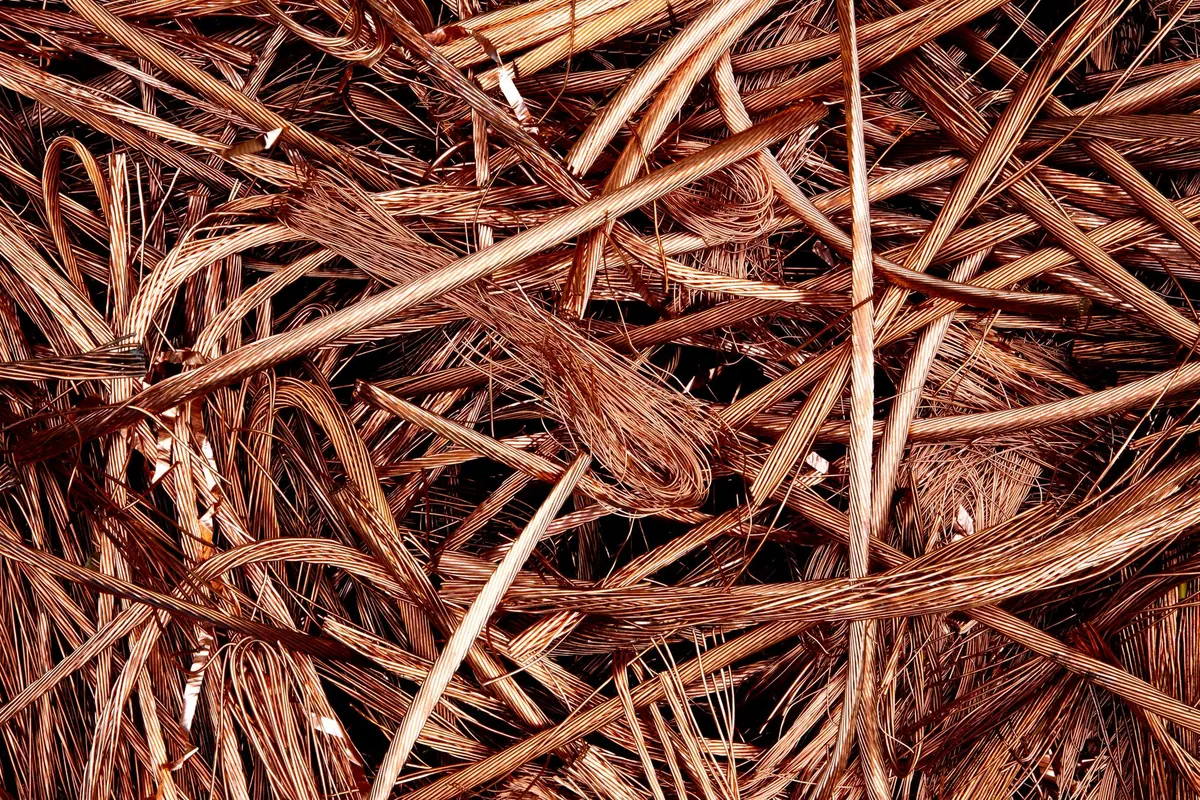
- Bright bare copper wire – clean, uncoated, unalloyed, no solder, no tarnish. This is the top of the market.
- No.1 copper – clean copper with minor oxidation or a little paint, but still unalloyed and free of fittings.
- No.2 copper – soldered, burnt, heavily oxidised or slightly contaminated copper. A noticeable step down.
- Insulated cable – single-core PVC flex, twin and earth, flex from appliances. Often bought at a flat rate per kilo, or priced on the copper content the yard expects to recover.
- Armoured cable (SWA) – steel wire armouring adds weight that nobody wants. Unless you strip it yourself, expect a low rate and a possible deduction.
- Aluminium conductor cable – a different metal entirely, priced far lower. Check before you assume it is copper.
- Low-yield material – coaxial, telephone and thin bell wire. Lots of insulation, very little copper. Many yards simply refuse it or pay a mixed rate.
Keep brass glands, steel fixings and lead sheathing separate as well. They all have their own value and their own grades, and burying them in a copper load only drags the rate down.
Run a recovery test to find the copper content
This is the single most useful thing you can do, and it takes minutes. You need an accurate kitchen scale and a representative sample of each type of cable.
- Cut around one kilo of cable from the middle of the pile, not the ends, so you are not sampling the offcuts.
- Weigh the sample on the scale and write the figure down.
- Strip it completely. Remove insulation, tape, filler, string, foil and any screening.
- Weigh the bare copper.
- Divide the copper weight by the sample weight to get your recovery percentage.
Suppose one kilo of PVC-insulated single-core cable yields 600 grams of copper. That is a 60 per cent recovery rate. Now apply it to the load. Twenty kilos of that same cable contains roughly twelve kilos of copper equivalent.
Repeat the test for each type of cable, and take an average across two or three samples if the material is inconsistent. Older cable often has thicker insulation and a lower yield; modern thin-wall flex is usually better. Once you have a recovery figure, multiply the copper-equivalent weight by the rate the yard quotes for that grade. If a merchant quotes £4 per kilo for that grade, twelve kilos comes to around £48 before any deductions. Use whatever figure they actually quote on the day: scrap rates move with the copper market, and the illustration above is arithmetic, not a price.
Watch the wording of the quote. A rate per kilo of cable and a rate per kilo of recovered copper are very different numbers. Ask which one you are being offered.
Steel, lead and contamination all cost you money
Deductions are normal and rarely negotiable. Steel armouring is weighed and priced at steel rates, which are a fraction of copper. Lead sheathing is accepted but priced separately, and handling it warrants gloves and a wash afterwards. Wet cable, mud, cable ties and connector blocks all add weight that pays nothing. Wipe, shake and cut off what you can before the load is weighed — you cannot argue about it after the fact.
What the law expects when you sell scrap cable in the UK
Cable theft has made this a tightly regulated trade, and legitimate yards follow the rules closely. A few points worth knowing before you turn up:
- Dealers must hold a scrap metal licence issued by their local authority, either a site licence or a mobile collector's licence. Ask to see it if you are dealing with someone new.
- Cash payments for scrap metal are not permitted. Expect payment by cheque or bank transfer, and expect to provide photo identification and proof of address.
- Dealers are required to keep records of what they buy and from whom. Your details will be recorded.
- If you are collecting or transporting cable that is not your own waste — as a tradesperson clearing other people's premises, for example — you generally need to register as a waste carrier with the environmental regulator for your nation, and to use waste transfer notes. Check which tier applies to you.
- Burning insulation off cable to recover the copper is illegal and produces toxic fumes. It also destroys the value of the copper, and most yards will refuse burnt cable outright.
- You must be able to show the cable was lawfully obtained. Handling suspected stolen cable is a serious matter.
Rules differ slightly between England, Wales, Scotland and Northern Ireland, and licensing conditions change. If you are selling anything more than a household quantity, or you are trading as a business, take advice from your local authority licensing team or the relevant environmental regulator. This is general guidance, not legal advice.
Getting a better rate for the same material
Three phone calls usually beat one. Ask each yard what grade they would class your cable as, whether they price it by cable weight or copper content, and whether they charge for weighing or minimum loads. Then compare like with like.
Stripping is the other lever, but only when the numbers justify it. If bare bright copper is trading well above the insulated rate, the difference multiplied by your total kilos tells you what an hour with the strippers is worth. For thick single-core cable that is often a clear yes. For thin flex with a 30 per cent yield, it rarely is.
Finally, volume matters. Yards prefer full loads, and a regular seller with clean, well-sorted material is in a much stronger position to ask for the better end of the quoted range than someone arriving with one carrier bag of mixed offcuts.
A short checklist before you set off
- Sort the cable into grades and keep metals separate.
- Strip a one-kilo sample of each type and calculate the recovery percentage.
- Weigh each pile and multiply by the recovery figure to get copper equivalent.
- Ring at least three yards, and confirm whether the rate applies to cable or to recovered copper.
- Remove armouring, sheathing, ties and rubbish wherever it is practical.
- Take photo ID and proof of address, and expect payment by bank transfer or cheque.
Do that once and you will have a working figure for your scrap for months, adjusted only when the copper market moves. It is the difference between guessing and knowing what your cable is actually worth.
Photo: Alex Tepetidis / Pexels