Why does the price of copper seem to change depending on who you ask? Because the number most people quote is a benchmark, not a bill. The London Metal Exchange publishes the reference price the global copper trade works from, but a UK buyer pays that benchmark plus a premium, delivery, and VAT. Once you know which number you are looking at — and which costs sit around it — daily quotes stop being opaque. They become figures you can compare, question and budget against.
Why the LME sets the tone for UK copper
The LME is the world's main marketplace for industrial metals, and its copper contract — Grade A cathode, traded in 25-tonne lots — is the reference point for buyers and sellers almost everywhere. A cable maker in the Midlands, a scrap yard in Sheffield and a trader in Singapore all price against it. That is genuinely useful. It means a UK buyer and a German supplier are arguing about the same base number. What differs is everything stacked on top of it.
The exchange is a wholesale market for physical metal in approved warehouses, and for futures contracts that track it. Most UK buyers will never hold an LME warrant. You still feel its influence, because your supplier's price is built from it.
What the LME publishes each day
- Official prices — struck during the morning session in London, around midday. Many physical contracts refer to these.
- Closing prices — published later in the London afternoon, and widely used for reporting and valuation.
- Cash and three-month prices — the two numbers that matter most for physical trade.
- Stocks and warrant data — how much metal sits in LME-registered warehouses, which feeds into sentiment about tightness.
All of it is quoted in US dollars per tonne. None of it includes VAT, delivery, or a regional premium. It is a base price for metal, not a price for metal at your gate.
Cash or three-month?
The cash price is for near-term delivery — on the LME, typically two working days out. The three-month price is the standard forward date. Most physical supply is priced off one of the two, with an adjustment. So when a supplier says "LME plus", your first question should be: which LME number?
Contango and backwardation
When three-month trades above cash, the market is in contango. That usually signals comfortable supply, and it costs money to carry metal from one date to the other. When cash trades above three-month, the market is in backwardation — nearby metal is tight, and anyone who needs it now pays for the privilege. Backwardation tends to pull premiums upward, so the two move together more often than you might expect.
From benchmark to delivered price
A delivered UK price is the sum of several parts:
- Regional premium. Metal does not teleport from a warehouse. The premium covers freight, handling, insurance, storage and how tight the local market happens to be. UK buyers generally look to the European duty-paid premium, which is referenced to continental ports such as Rotterdam and Antwerp.
- Delivery and logistics. Collected ex-works and delivered-to-your-yard are different prices, and the gap is not small once haulage is involved.
- Form and fabrication. Cathode, wire rod, busbar and strip all carry different conversion costs. The further the product sits from raw cathode, the smaller the share of the price that is copper at all.
- Currency. The LME quotes in dollars. A sterling quote moves with the pound-dollar rate, so copper can be flat overnight while your price rises.
- Credit and finance. Payment terms, stocking positions and hedging costs all get recovered somewhere.
- VAT. Standard rate, currently 20%, on most copper purchases. VAT-registered businesses buying for business use normally reclaim it, which makes it a cash-flow cost rather than a true cost — but it is very real if you cannot reclaim it.
The shape of it: LME base + premium + delivery + any fabrication = net price. VAT goes on top of that.
VAT treatment is not always as simple as it looks. Scrap, second-hand goods and cross-border supplies can all behave differently, and mistakes are expensive to unwind. If you are unsure how a particular purchase should be treated, ask your accountant rather than guessing.
How to read a daily copper quote
- Which LME reference? Cash or three-month. If it is not stated, ask.
- Which unit and currency? Dollars per tonne, pounds per tonne, or pence per kilogram? Scrap is often quoted in sterling per tonne, while some semi-finished products are quoted per kilogram. Convert everything to one unit before comparing.
- Does "plus" mean plus? If a quote says "LME plus", the premium is separate and needs to be added.
- Duty paid or unpaid? This can shift the number materially.
- Delivered or ex-works? Two quotes that look identical can differ by the cost of a lorry.
- What time was it struck? An 8am quote and a 3pm quote on a volatile day are not the same price.
- Is VAT included? Assume not unless it says so.
- For scrap, what grade and what deduction? Yards quote a discount or percentage against the LME for grades such as bare bright and No. 1 copper. Cleanliness, contamination and volume usually matter more than the headline rate.
Three comparisons that mislead buyers
- Cash against three-month. They can sit far apart, especially in a tight market. Comparing one with the other is not a like-for-like test.
- Ex-works against delivered. Add the haulage before you declare anyone cheaper.
- Ignoring the exchange rate. Over a month, sterling-dollar movement can easily outweigh a modest change in the copper price itself. Track the two separately.
A 60-second routine for reading any copper quote
- Find the base number and its label — cash or three-month, in dollars per tonne, with a timestamp.
- Check the premium and whether it is already included.
- Check the delivery basis and whether duty is paid.
- Convert to sterling per tonne using the rate you realistically expect, not the one on a comparison site.
- Add VAT if you cannot reclaim it.
- Write the four numbers down — LME, premium, exchange rate, delivered price. After a few weeks, that simple record will tell you whether your supplier is genuinely tracking the market or quietly drifting away from it.
None of this needs a trading desk. It needs you to know which number is being quoted, and to ask two questions: "Which LME price is that based on?" and "What is the premium, and what does it include?" Most suppliers will answer both clearly. The ones who won't are telling you something too.
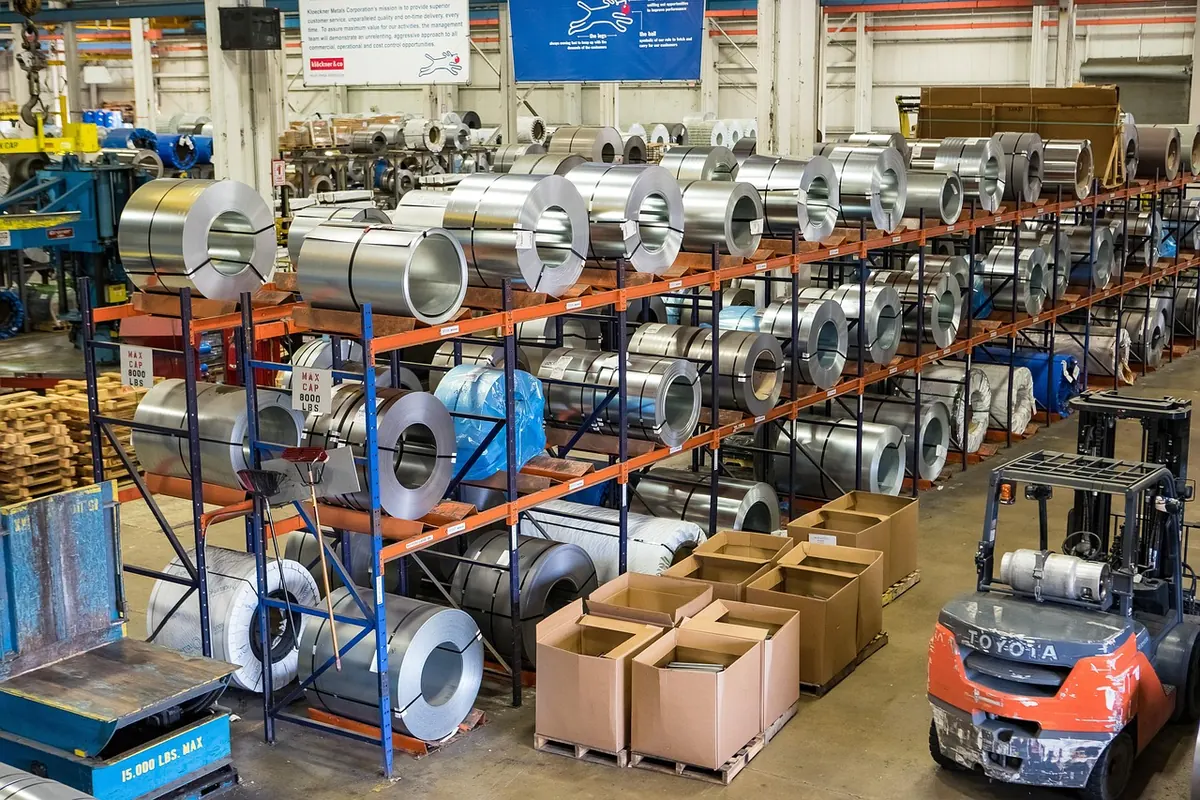
Photo: jotoler / Pixabay